



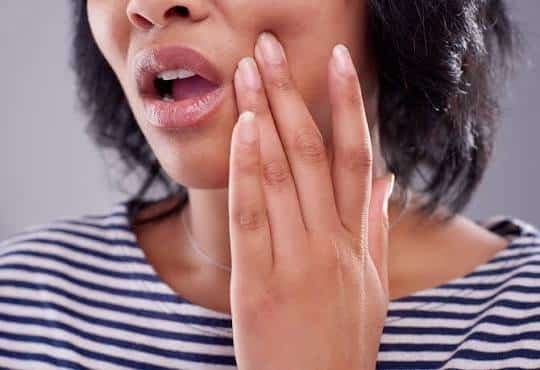
If you’ve noticed your jaw making a clicking or popping sound when you open or close your mouth, you’re not alone. Jaw clicking is a common issue, but it can be unsettling and sometimes painful. In this blog, we’ll explore why your jaw clicks, what it means for your health, and how to manage or treat the condition.
What Causes Jaw Clicking?
The clicking sound in your jaw typically comes from the temporomandibular joint (TMJ), which connects your jawbone to your skull. When something goes wrong with this joint, it can lead to clicking or popping sounds. Below are some of the most common causes of jaw clicking:
1. TMJ Disorders (TMD)
TMJ disorders are the most common cause of jaw clicking. These conditions affect the muscles and joints that control jaw movement, leading to discomfort, clicking, or even pain when chewing or speaking.
2. Jaw Misalignment
When the alignment of your jaw is off, such as in cases of overbite or underbite, the teeth and jaw don’t meet correctly, leading to clicking or popping when the mouth opens or closes.
3. Teeth Grinding (Bruxism)
Habitual teeth grinding or clenching, often caused by stress or anxiety, can strain the jaw muscles and lead to jaw clicking. This is most common at night when you may not be aware of grinding your teeth.
4. Injury or Trauma
Any injury to the jaw, face, or head, such as a blow or whiplash, can cause damage to the TMJ. This can lead to jaw clicking and pain as the joint moves abnormally.
5. Arthritis or Inflammation
Conditions like osteoarthritis or rheumatoid arthritis can affect the TMJ, leading to inflammation, stiffness, and clicking. This is more common in older adults but can affect younger individuals as well.
6. Jaw Muscle Strain
Overuse or strain of the muscles around the jaw can result in clicking. This can be due to chewing gum excessively, yawning widely, or eating tough foods.
Symptoms of Jaw Clicking
In many cases, jaw clicking is harmless and does not require medical intervention. However, if the clicking is accompanied by other symptoms, it may indicate a more serious condition. Look for these signs:
1. Pain or Tenderness
If your jaw is not only clicking but also painful, it could indicate a TMJ disorder, arthritis, or muscle strain. Persistent pain should be evaluated by a professional.
2. Locking of the Jaw
If your jaw locks in place or feels stuck when you try to open or close it, this may be a sign of a more severe issue like TMJ dysfunction or dislocation.
3. Swelling Around the Jaw
Swelling or inflammation near the jaw joint can be a sign of an infection, arthritis, or another underlying condition.
4. Limited Jaw Movement
Difficulty moving your jaw or a feeling of stiffness could indicate that the TMJ is not functioning properly, and the clicking is a symptom of a larger issue.
How to Diagnose Jaw Clicking
Diagnosing the cause of jaw clicking usually requires a visit to a healthcare professional. They may ask about your symptoms, conduct a physical exam, and possibly perform imaging tests to identify the underlying issue.
1. Physical Examination
Your doctor may check for signs of TMJ dysfunction, such as tenderness around the jaw joint, clicking sounds when moving the jaw, or limited jaw movement.
2. Imaging Tests
X-rays, MRI scans, or CT scans may be recommended to get a detailed view of the jaw joint and surrounding tissues. These tests help identify structural issues, inflammation, or damage to the TMJ.
3. Bite Assessment
Your dentist may assess your bite to check for misalignment that could be contributing to jaw clicking.
Treatment Options for Jaw Clicking
The treatment for jaw clicking depends on the underlying cause. While mild cases may resolve with self-care, more severe or persistent cases may require professional intervention. Here are some treatment options:
1. Home Remedies
- Heat or Ice Packs: Applying heat or cold to the affected area can reduce inflammation and relax the jaw muscles.
- Jaw Exercises: Gentle stretching and strengthening exercises can help improve jaw movement and reduce clicking.
- Over-the-Counter Pain Relievers: Nonsteroidal anti-inflammatory drugs (NSAIDs) can help reduce pain and inflammation in the jaw joint.
2. Dental Appliances
- Mouthguards or Splints: If teeth grinding is causing the clicking, your dentist may recommend a custom mouthguard to wear at night. This prevents further damage to the TMJ and reduces strain on the muscles.
3. Physical Therapy
If the jaw muscles are strained or misaligned, physical therapy can help improve function and reduce pain. A therapist may guide you through exercises to strengthen and stretch the muscles around the jaw.
4. Medications
Muscle Relaxants or Anti-inflammatory Medications: For persistent pain or inflammation, medications may be prescribed by your doctor.
Injections: In some cases, corticosteroid injections or Botox injections may be used to relax the jaw muscles and relieve pain.
5. Surgical Treatment
In rare cases, if other treatments fail, surgical options such as TMJ surgery or joint replacement may be considered. However, surgery is typically a last resort.
Prevention Tips for Jaw Clicking
While some causes of jaw clicking are beyond your control, there are steps you can take to prevent or minimize the issue:
1. Avoid Excessive Jaw Strain
Avoid chewing gum for long periods, and try to avoid tough or chewy foods that can overstrain the jaw.
2. Manage Stress
Stress can lead to teeth grinding and jaw clenching. Practice relaxation techniques like meditation or yoga to help reduce overall tension.
3. Maintain Proper Posture
Poor posture can contribute to jaw misalignment and strain. Try to maintain a neutral head and neck position to prevent unnecessary pressure on the TMJ.
4. Wear a Nightguard
If you grind your teeth at night, a nightguard can protect your teeth and reduce strain on the jaw.
When to See a Doctor About Jaw Clicking
If the clicking is accompanied by pain, swelling, or difficulty moving your jaw, it’s important to consult a healthcare provider. An accurate diagnosis will ensure that you get the appropriate treatment for your condition. Additionally, if the clicking doesn’t resolve with self-care or continues to worsen, seek professional advice.
Conclusion
While jaw clicking is common and often harmless, it can be a sign of an underlying condition, such as a TMJ disorder, misalignment, or even arthritis. If your jaw clicking is persistent or painful, consulting a healthcare professional can help you identify the cause and determine the best treatment. With the right approach, most cases of jaw clicking can be managed or treated effectively.
FAQ: Why Are the Bottom of My Feet Red?
1. Is jaw clicking a serious condition?
In many cases, jaw clicking is not serious and may resolve on its own. However, if it’s accompanied by pain, swelling, or difficulty moving your jaw, it could indicate a more severe condition, such as TMJ disorder or jaw misalignment. It’s best to consult a healthcare provider if these symptoms occur.
2. What is TMJ disorder, and how does it cause jaw clicking?
TMJ (temporomandibular joint) disorder affects the joint that connects your jaw to your skull. It can cause pain, stiffness, and clicking sounds when moving the jaw. This is due to inflammation or misalignment of the joint and surrounding muscles.
3. Can teeth grinding cause jaw clicking?
Yes, teeth grinding (also known as bruxism) is a common cause of jaw clicking. It often happens at night and puts pressure on the jaw, leading to muscle strain and discomfort, which may result in clicking sounds when opening or closing the mouth.
4. How can I stop my jaw from clicking?
To stop jaw clicking, you can try using home remedies like applying heat or ice to the jaw, practicing relaxation techniques to reduce stress, and avoiding activities like chewing gum. A nightguard can also help if teeth grinding is the cause.
5. When should I see a doctor about my jaw clicking?
You should see a doctor if the jaw clicking is accompanied by pain, swelling, or difficulty moving your jaw. If the clicking persists despite self-care or worsens over time, professional evaluation is needed to diagnose the underlying cause and recommend appropriate treatment.
6. Are there any exercises to help with jaw clicking?
Yes, gentle jaw exercises, including stretching and strengthening exercises, can help relieve tension in the jaw muscles and improve alignment. Your dentist or physical therapist can recommend specific exercises based on your condition.
7. Can jaw clicking be prevented?
Yes, jaw clicking can often be prevented by avoiding excessive jaw strain, managing stress, and maintaining good posture. Wearing a nightguard if you grind your teeth at night can also help prevent jaw clicking.
8. Can surgery be required for jaw clicking?
Surgery is usually a last resort and is only recommended for severe cases where other treatments have failed. In most instances, jaw clicking can be treated effectively with non-surgical methods like physical therapy, dental appliances, and medications.
Disclaimer
This article is for educational purposes only and is not a substitute for medical advice. Always consult a licensed healthcare provider for personal medical guidance.